
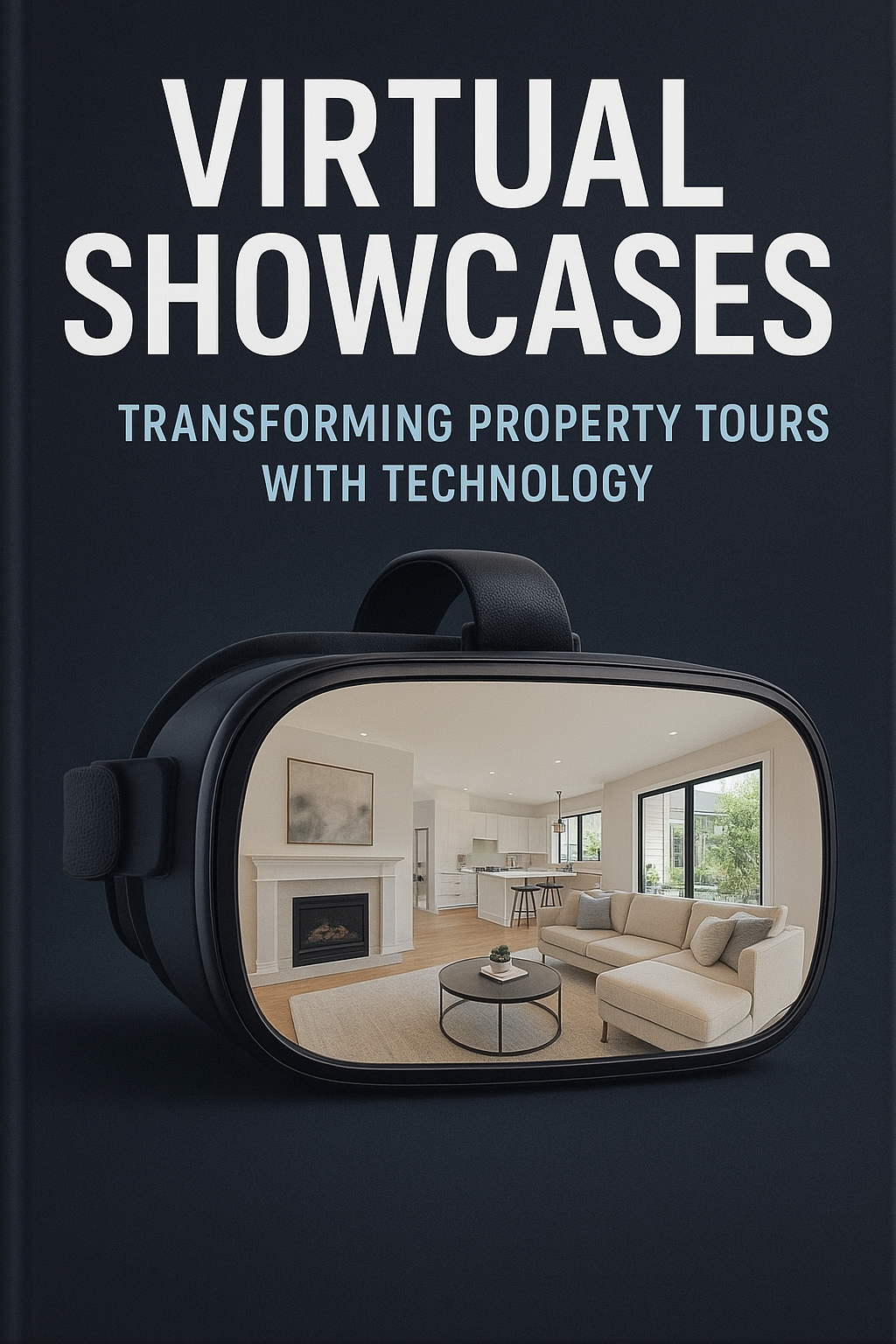


In an era where digital transformation reshapes every industry, real estate stands at the forefront of innovation. Traditional open houses and static photo listings are no longer sufficient in a world where consumers expect immersive, convenient, and visually rich experiences. Enter virtual showcases — an innovative fusion of technology and property marketing that is transforming how real estate professionals connect with buyers and how buyers explore homes.

This blog post explores what virtual showcases are, how they work, their benefits, challenges, and how they will continue to redefine property tours in the years to come.
What Are Virtual Showcases?
Virtual showcases are interactive digital experiences that allow potential buyers to explore properties remotely. They utilize technologies like:

- 360° Photos and Videos
- 3D Virtual Tours
- Virtual Reality (VR)
- Augmented Reality (AR)
- Interactive Floor Plans
Instead of merely viewing static images, buyers can navigate through a property as if they were physically there — clicking, panning, and zooming to examine every room and detail.
These technologies bridge the gap between imagination and reality, offering a dynamic alternative to traditional property viewing.

Why Virtual Showcases Matter Today
1. Remote Accessibility
Whether the buyer lives across town or across the globe, virtual showcases make it possible to view properties from anywhere, anytime. Physical distances, travel expenses, and geographic limitations no longer restrict interested buyers.
2. Time Efficiency
Agents and buyers alike save tremendous amounts of time. A buyer can preview multiple homes in one session without the need for scheduling in-person visits. For agents, this means fewer preliminary showings and more serious buyers walking through the door.
3. Increased Engagement
Interactive content captures attention and boosts interest. Unlike flat photos, immersive tours encourage users to stay longer on listings, increasing engagement metrics — and often leading to higher conversion rates.
The Technology Behind Virtual Showcases
Understanding how virtual showcases work helps real estate professionals choose the right tools.
360° Photography and Video
Using specialty cameras, photographers capture panoramic visuals that let users explore a space in every direction. These visuals are then stitched into interactive media that users can control.
3D Virtual Tours
Platforms like Matterport, Zillow 3D Home, or Cupix use a combination of 360° images and spatial mapping to create navigable digital replicas of a property.
🔹 These tours often include:
- Interactive hotspots
- Room labels
- Floor plan overlays
- Measurement tools
Virtual Reality (VR)
With a VR headset, a virtual showcase becomes even more immersive. Users can feel like they’re actually walking through a property in three dimensions, a powerful tool for high-end real estate, architectural visualization, and pre-construction marketing.
Augmented Reality (AR)
AR can overlay digital elements (like furniture or renovation options) onto real surroundings. Buyers can visualize what an empty room would look like fully furnished or remodeled.
Top Benefits of Virtual Showcases in Real Estate
Let’s break down how virtual showcases drive real value for agents, brokers, and buyers.
1. Better First Impressions
Listings with 3D tours stand out. In a crowded market, being able to showcase a property with immersive visuals helps create a strong first impression — often leading to:
- More inquiries
- More scheduled tours
- Faster sales cycles
2. Higher Quality Leads
Virtual tours help qualify leads. Buyers who spend time exploring a property online are usually more serious. Agents can focus their energy on buyers closer to making decisions.
3. Expanded Market Reach
Buyers from other cities or countries can tour a listing without traveling. This is huge for luxury, investment, and second-home markets where distance is often a major barrier.
4. Competitive Advantage
Agents who adopt virtual showcases early gain a technology edge over traditional competitors, positioning themselves as modern, forward-thinking, and client-focused.
5. Reduced Time on Market
Properties with virtual tours tend to spend fewer days on the market. Buyers can self-narrow options quickly, leading to faster offers and quicker transactions.
6. Enhanced Transparency
Buyers feel more confident if they can thoroughly inspect a property online. This transparency builds trust — and trust accelerates decisions.
Use Cases: How Virtual Showcases Are Changing Property Tours
1. Residential Real Estate
For families, couples, and first-time buyers, virtual tours eliminate the pain of repetitive physical visits. A buyer can spend more time exploring rooms, layout, and flow without feeling rushed.
2. Luxury Properties
High-end homes benefit immensely from high-definition virtual experiences. Buyers expect premium content — expansive 3D tours, drone footage, and VR walkthroughs — that showcase craftsmanship and unique features.
3. Commercial Property
Buyers, tenants, and investors can assess spaces like offices, warehouses, and retail units remotely. Virtual showcases streamline decision-making in commercial real estate, where time is money.
4. Pre-Construction and Off-Plan Sales
When properties don’t physically exist yet, virtual tours allow developers to showcase what will exist. AR and VR bring blueprints and renderings to life, helping buyers visualize the final product.
5. International Investors
Investors from abroad can explore properties without costly travel. Virtual showcases increase cross-border deals and make global investing more accessible.
How to Create a Virtual Showcase: Step-by-Step Guide
Here’s a practical workflow for real estate professionals ready to implement virtual showcases.
1. Choose the Right Technology
Start by selecting a platform that aligns with your needs and budget.
Examples include:
- Matterport
- Zillow 3D Home
- EyeSpy360
- Cupix
- Sweet Immersion
📌 Consider future scalability — will you want AR or VR later?
2. Prepare the Property
Before capturing visuals:
- Declutter and depersonalize
- Ensure good lighting
- Stage rooms for maximum appeal
Professional staging can significantly enhance the effectiveness of a virtual tour.
3. Capture the Space
Use a high-quality 360° camera or hire a professional photographer experienced in virtual tour capture. Proper angles and consistent lighting are key for seamless tours.
4. Edit and Enhance
Once captured:
- Add hotspots with info (e.g., room size, features)
- Insert floor plans or navigation aids
- Include branding and agent contact options
5. Publish and Share
Embed the virtual tour in:
- MLS listings
- Your website
- Social media
- Email campaigns
Make sure the link is easy to access and viewable on mobile devices.
6. Promote with Context
Don’t rely solely on the tour itself. Offer context:
- Neighborhood highlights
- Local amenities
- Market insights
Pair tours with storytelling to drive emotional connection.
Best Practices for Virtual Showcase Success
To maximize engagement and results:
✔ Prioritize User Experience
Ensure virtual tours load quickly and are easy to navigate across devices, especially smartphones.
✔ Combine with Live Virtual Tours
Some buyers want guided tours. Use Zoom, FaceTime, or tools with live agent walk-through features.
✔ Track Engagement Metrics
Understand which tours generate the most interactions:
- How long buyers stay in a tour
- Which rooms attract the most attention
- Click-through and conversion rates
Use this data to refine your listings.
✔ Offer Multiple Viewing Options
Some buyers love VR, others prefer simple browser tours. Offer both immersive and traditional views to cater to diverse preferences.
✔ Integrate with Digital Marketing
Promote virtual tours with targeted ads, email campaigns, social posts, and PPC. Make the tour link the centerpiece of your outreach.
Potential Challenges and How to Overcome Them
Virtual showcases are powerful — but they also come with challenges. Knowing them helps you stay ahead.
1. Upfront Costs
High-quality capture equipment and software subscriptions can be expensive.
Solution: Start with 360° tours using affordable cameras or partner with local photographers to lower costs.
2. Technical Barriers
Some users may struggle with navigation or technology.
Solution: Provide clear instructions and offer live guided tours as a complement.
3. Overemphasis on Tech Over Substance
A flashy tour won’t sell a poorly maintained property.
Solution: Use virtual showcases to enhance realism and honesty, not replace clarity about issues or features.
4. File Size and Load Times
High-resolution tours can be slow.
Solution: Optimize media, use web-friendly formats, and host on robust platforms.
The Future of Property Tours: What’s Next?
Virtual showcases are just the beginning. Emerging technologies promise even deeper transformation.
🚀 Immersive Virtual Reality Experiences
Future tours may feel indistinguishable from real life. Imagine walking through a property in VR with full auditory and spatial realism.
📍 AI-Driven Personalization
AI could tailor virtual tours in real time — highlighting rooms or features based on a buyer’s preferences.
🛋 Virtual Staging with AR
Buyers may personalize spaces virtually:
- Try different furniture
- Test wall colours
- Experiment with lighting
This empowers buyers to see their future home before purchase.
📈 Predictive Analytics Integration
Expect platforms to forecast buyer interest and offer pricing recommendations based on engagement patterns and behavior analytics within tours.
Real Estate Success Stories with Virtual Showcases
Across the world, agents are reporting remarkable outcomes after adopting virtual tours:
⭐ Faster Sales Cycles
Properties listed with virtual showcases sell up to 30% quicker than those without. (Marketing insights widely reported in real estate tech studies.)
⭐ Global Buyer Reach
Luxury listings attract international buyers who previously never would have considered properties sight unseen.
⭐ Better Leads, Higher Offers
Buyers coming through virtual tours often make stronger offers and are more prepared — reducing negotiation friction.
These real-world trends demonstrate that virtual showcases are not a gimmick, but a strategic necessity.
Conclusion: Why Virtual Showcases Are Here to Stay
The real estate buyer’s journey has changed forever. Convenience, immersion, and digital engagement are no longer “nice to have” — they are expected.
Virtual showcases:
✔ Elevate property marketing
✔ Engage buyers more deeply
✔ Reduce wasted time
✔ Expand reach beyond borders
✔ Improve lead quality and conversion rates
For real estate professionals who embrace these technologies, the opportunities are vast. Virtual showcases don’t just digitize property tours — they transform them, creating experiences that are memorable, efficient, and powerful.